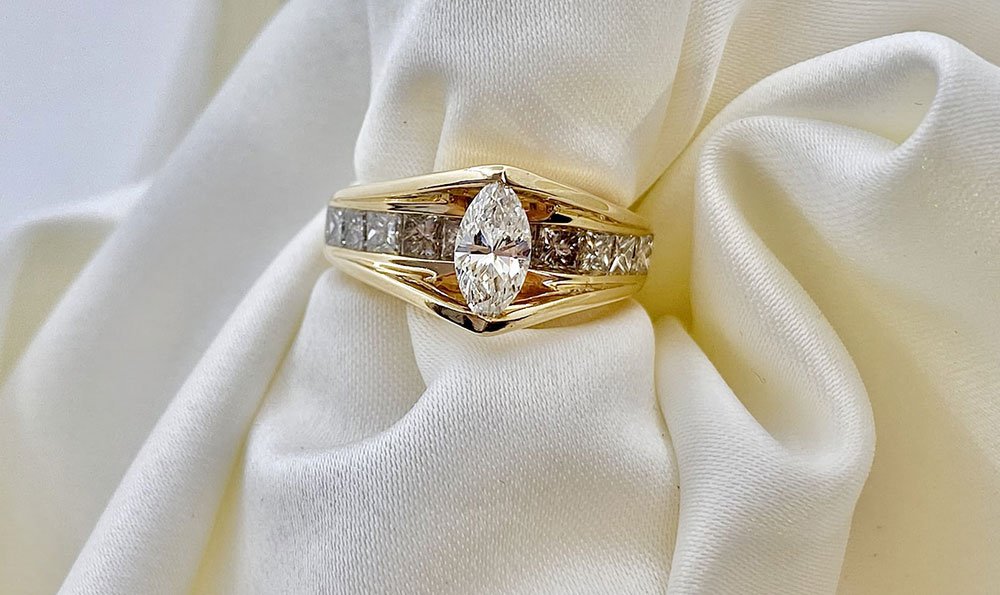
引言:钻石是一种珍贵的宝石,具有极高的价值和美丽的外观。你是否好奇这些光芒四射的钻石是如何形成的呢?本文将为您详细介绍关于钻石形成的过程和原因。

1. 高温高压环境下的碳结晶
钻石的形成与地球内部高温高压的环境密切相关。当地球深处的碳元素遭受极高的压力和温度时,它们会逐渐结晶形成钻石。这个过程需要长时间的积累和演化,一般发生在地球的地幔深处,大约在地表下150至200公里处。
2. 天然矿物和金属的作用
钻石的形成还受到天然矿物和金属的影响。地幔深处的岩浆和流体富含金属和矿物质,它们在形成钻石的过程中起到了重要的催化和促进作用。这些物质中的微量元素可以影响钻石的色泽和纯度,从而使钻石具有不同的品质和价值。
3. 钻石的运输和露天挖掘
钻石经过长时间的形成后,随着地壳板块的运动和地质变化,有些钻石会被运输到地表。这些被称为矿床的地方成为了人们开采钻石的目标。露天挖掘是一种常见的钻石开采方式,通过人工清除表层土壤和岩石,将地下的钻石暴露于空气中,然后进行采集和加工。
4. 钻石的加工和打磨
一旦钻石被采集到地表,它们并不像我们在珠宝店里看到的那样华丽。钻石需要经过精细的加工和打磨过程,才能展现出它们最迷人的外观和光彩。专业的珠宝工匠使用高精度的工具和技术来打磨钻石的切面和锋利度,使其能够最大程度地反射和折射光线,从而呈现出灿烂的火彩和闪耀的光芒。
钻石是地球深处高温高压环境下形成的稀有宝石。通过长时间的积累和演化,加上地壳板块的运动和地质变化,钻石最终被运输到地表并被开采。经过精细的加工和打磨,钻石才能展示出它们独特的魅力和价值。通过深入了解钻石的形成过程,我们更能欣赏和珍重这一美丽的自然产物。
钻石的形成振动
引言:
钻石是一种极为珍贵的宝石,具有高硬度、耐磨性和光泽度等特点。钻石并非一开始就具备这些特性。钻石的形成是在地球深处发生的一系列振动过程的结果。本文将通过定义、分类、举例和比较等方法来系统阐述“钻石的形成振动”的相关知识。
钻石的形成可以分为两个主要阶段:原生岩浆期和埋藏岩石期。在原生岩浆期,地下深处的高温高压条件下,碳元素发生了化学反应,形成了钻石的晶体结构。而在埋藏岩石期,地壳运动使得这些钻石晶体从地下深处被带到地表。这一过程中的振动对于钻石的质量和特性有着重要的影响。
在原生岩浆期,地球内部高温高压的环境使得碳元素重新排列,形成了钻石的晶体结构。这种振动过程是由于地壳板块运动以及地震引起的地球内部动力学过程。这种振动促使碳元素在地下深处形成高度有序的晶格结构,使得钻石具备了其特有的硬度和光学性质。而地球内部的地壳板块运动则确定了钻石形成的位置和分布。
而在埋藏岩石期,地壳上的运动使得形成的钻石晶体从地下深处被带到地表。这一过程通常是由于火山爆发或者地壳运动引起的,振动作用会持续一段时间,将钻石从地下推向地表。这种振动过程对于钻石的形成和质量具有直接影响。如振动幅度较大,可能会导致钻石断裂或破损,同时也会使得钻石晶体与周围岩石发生摩擦,进而影响钻石表面的光泽度和形状。
在钻石形成振动过程中,不同地区的地质条件对于钻石的质量和特性也产生了影响。在一些富含金刚石矿床的地区,地震频率较高,振动幅度较大,因此形成的钻石晶体质量较好,硬度较高。而一些地震频率较低的地区,钻石晶体质量可能较低,硬度较弱。
总结来看,钻石的形成是通过一系列的振动过程实现的。这些振动过程不仅使碳元素重新排列形成了钻石的晶体结构,而且通过地壳运动将钻石从地下带到地表。振动的幅度和频率对钻石的特性和质量产生了重要影响。了解钻石形成振动的相关知识,有助于我们更好地理解钻石的形成过程,同时也在钻石的挖掘和加工中具有指导意义。
Diamond Formation Vibration
Introduction:
Diamond is an extremely precious gemstone with high hardness, wear resistance, and luster. However, diamonds do not possess these characteristics from the beginning. In fact, the formation of diamond is the result of a series of vibration processes that occur deep within the Earth. This article will provide an objective, professional, clear, and systematic exploration of the knowledge related to the "formation vibration of diamonds" using methods such as definition, classification, examples, and comparisons.
Main Body:
The formation of diamonds can be divided into two main stages: the primary magma period and the burial rock period. During the primary magma period, under high-temperature and high-pressure conditions deep underground, carbon undergoes chemical reactions to form the crystalline structure of diamonds. In the burial rock period, the movement of the Earth's crust brings these diamond crystals from deep underground to the surface. The vibrations that occur during this process have a significant impact on the quality and characteristics of diamonds.
During the primary magma period, the high-temperature and high-pressure conditions deep within the Earth cause rearrangements of carbon atoms, forming the crystalline structure of diamonds. These vibrations are a result of dynamic processes caused by the movement of tectonic plates and earthquakes. These vibrations allow carbon atoms to form highly ordered lattice structures deep underground, giving diamonds their unique hardness and optical properties. The movement of tectonic plates within the Earth's interior determines the location and distribution of diamond formation.
In the burial rock period, the movements of the Earth's crust bring the formed diamond crystals from deep underground to the surface. This process is often caused by volcanic eruptions or tectonic activities, and the vibrations can last for a certain period of time, pushing diamonds from the underground to the surface. This vibration process has a direct impact on the formation and quality of diamonds. For example, if the vibration magnitude is too large, it may cause diamond fractures or damage, and it can also result in friction between diamond crystals and the surrounding rocks, affecting the luster and shape of the diamonds.
In the process of diamond formation vibration, different geological conditions in different regions also have an impact on the quality and characteristics of diamonds. For example, in areas rich in diamond deposits, where the frequency of earthquakes is high and the vibration magnitude is large, the formed diamond crystals have better quality and higher hardness. In regions with lower earthquake frequencies, the qualities of diamond crystals may be lower and their hardness weaker.
Conclusion:
In summary, the formation of diamonds is achieved through a series of vibration processes. These vibration processes not only allow carbon atoms to rearrange and form the crystalline structure of diamonds but also bring diamonds from underground to the surface through the movement of the Earth's crust. During this process, the magnitude and frequency of vibrations have a significant impact on the characteristics and quality of diamonds. Understanding the knowledge related to the formation vibration of diamonds helps us better understand the process of diamond formation and also provides guidance for diamond mining and processing.
钻石形成的地方
钻石,这种美丽而耀眼的宝石,一直以来都给人们带来了无尽的遐想和向往。钻石是如何形成的呢?它们出现的地方又是哪些呢?本文将用通俗易懂的语言,通过生活化的比喻解释钻石形成的地方。

1. 破碎的地球深处,压力与温度的熔炉
钻石的形成离不开地球深处的高温高压环境。我们可以将地球比作一个庞大的石头,而石头中的矿物物质就如同我们的血液一样,流淌在地球深处。当地球的地壳发生断裂时,像火山喷发一样,地球深处的矿物物质被喷射出来,漂浮在地壳上方。而这些被喷射出来的矿物物质就是钻石的原材料。
2. 火山管道,钻石的通道
当地球深处的矿物物质喷射出来后,它们并不会立刻转化为钻石。相反,它们会通过火山管道被带到地壳上方。这个过程就像是一条暗黑的隧道,将矿物物质从地球深处运送到地表。而这个暗黑的隧道,也是钻石形成的通道。
3. 冷却的过程,钻石的凝结
当地球深处的矿物物质通过火山管道被带到地表后,温度将开始逐渐降低。这个降温的过程就像是一杯热水冷却成冰块一样。当温度降低到足够低的时候,矿物物质中的碳原子就开始重新排列,形成钻石的晶体结构。这就像是冷却的水变成了坚硬的冰一样,钻石也在这个过程中凝结成为了坚硬的宝石。
4. 世界各地的地质奇迹
钻石的形成并不是局限在某一个特定的地方,而是遍布世界各地的地质奇迹。从非洲的南非到澳大利亚,再到俄罗斯的西伯利亚,都有不同形成过程的钻石产地。这些地方或许有山川起伏的地势,或许有火山喷发的痕迹,但它们都是钻石形成的地方。
钻石形成的地方,正如地球深处水泥凝固成石头一样,是一个需要高压高温的环境。通过喷射出来的矿物物质被运送到地表,并经历冷却的过程,最终形成了坚硬的钻石宝石。这些地方遍布世界,是地质奇迹的结晶。钻石,被誉为宝石之王,它们的形成也是一段奇妙而美丽的旅程。无论我们身处何方,都可以感受到这些地质奇迹带给我们的震撼和惊喜。